
Guwahati does not have one perfect month. It has different good months for different trips. Winter suits walking and river light. Summer suits people who handle heat and want thinner hotel rates. Monsoon suits green views and flexible plans — not white linen and fixed ferry fantasies. This guide walks the calendar so you can match the city to your tolerance, not to a brochure slogan.
For what to do once you pick dates, start with Things to Do in Guwahati and the curated list in Best Places to Visit in Guwahati. For a seasonal deep dive on rain weeks, see Monsoon in Guwahati.
How Guwahati’s year actually feels
Rough pattern: cooler, drier stretch from about November into February; heating from March; heavy rain influence roughly June through September; transition months that can surprise either way. Exact onset shifts year to year. Humidity is part of the deal outside peak winter. Fog can erase river views on winter mornings even when the afternoon turns clear.
Crowds spike around major holidays, school breaks, and pilgrimage peaks — especially around Kamakhya Temple during Ambubachi and other big dates. Wildlife calendars matter if you are aiming at Pobitora or a longer run to Kaziranga.
January
Often one of the most comfortable months for outdoor days. Mornings can be foggy; carry a light layer. Excellent for Umananda ferries when services run, for market walking in Fancy Bazaar, and for day trips to Hajo or Sualkuchi. Magh Bihu energy may colour local food and mood. Hotels can be busier around New Year spillover and long weekends.
February
Still a strong visitor month: mild days, workable evenings, good photography light on the Brahmaputra. A sensible window for a two-day city plan without heat exhaustion. Pre-book if your dates hit a long weekend. River evenings described in Brahmaputra River Experiences usually cooperate.
March
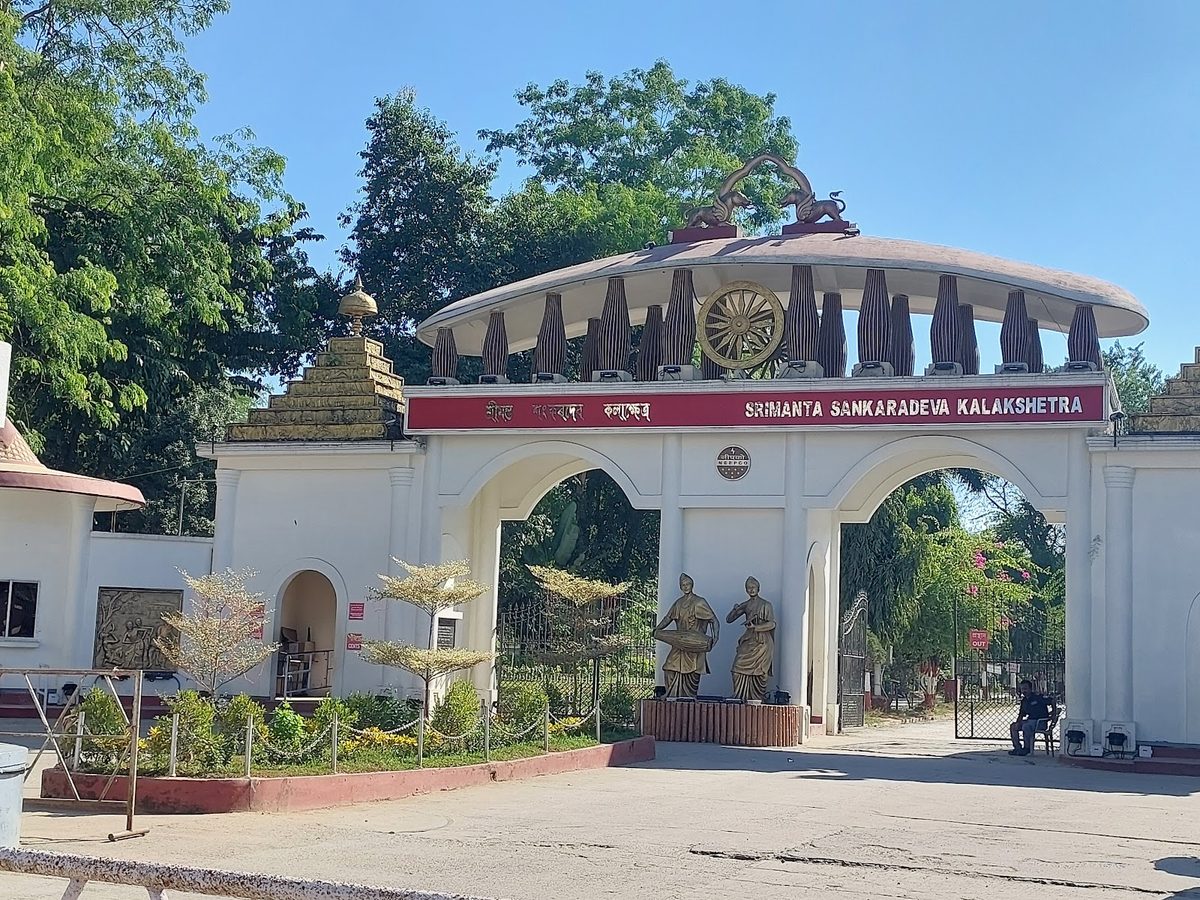
Warming fast. Fine for early temple starts and indoor culture (Assam State Museum, Kalakshetra). Holi / Doul period can transform Doul Govinda and parts of Hajo — joyful if you want colour, messy if you wanted quiet white clothes. Midday sightseeing gets sticky; shift outdoor weight to mornings.
April
Hot. Rongali / Bohag Bihu season brings cultural energy and travel demand in Assam. City walking at noon is a chore. Use AC between stops, prioritise one outdoor hero per half-day, and lean on food plans from the food guide. Hill temples still work at dawn. Not the kindest month for a first-time family marathon — see Guwahati with Kids for pacing.
May
Heat continues; pre-monsoon storms can arrive with drama. Ambubachi timing (varies by year) can make Kamakhya and the city feel like a different place entirely — plan on purpose, not by accident. If you are heat-sensitive, wait for winter. If you accept early starts and long lunches indoors, May is workable and sometimes quieter on non-festival weekdays.
June
Monsoon establishes. Green intensifies on approaches to Basistha and countryside edges. Ferries and viewpoints become conditional. Read the monsoon guide before you lock outdoor bookings. Museums, markets, and thalis carry the day when the sky opens.
July–August
Peak rain influence for many years. Waterlogging in known pockets, slower traffic, lush hills, and cancelled “perfect sunset” plans. Chandubi and rural roads need condition checks. Wildlife parks may restrict access — do not assume safari. This is a food-and-culture season more than a viewpoint season. Honest evening options still exist; see How to Spend an Evening in Guwahati.
September
Transition. Some weeks still wet, some open into clearer spells. Good for flexible travellers. Shoulder pricing can appear. Useful month if you cannot travel in winter but will rebuild plans around rain windows.
October
One of the best comeback months: festival calendar energy in much of India, improving outdoor comfort, and a city that feels walkable again. Strong for first visits, for Kamakhya without peak summer heat, and for starting day-trip season toward Pobitora as park logistics allow. Book ahead around major holidays.
November
Prime time for many itineraries. Cooler air, better wildlife windows, pleasant market strolls, and reliable river hours. Ideal for one day in Guwahati or a polished short break. Couple this with area advice in Where to Stay in Guwahati.
December
Peak winter tourism comfort, holiday travel, and festive city bustle. Mornings foggy, afternoons often excellent. Book stays early for Christmas–New Year. Excellent photography month when haze is low — see viewpoints and sunset spots.
Quick picks
- First visit, outdoor-heavy: November–February
- Wildlife add-on: November–March (confirm park status)
- Festival-focused pilgrimage: match Kamakhya / Bihu / Doul dates deliberately
- Budget + flexibility: late monsoons shoulder, with rain plans
- Avoid if you hate heat: April–May without early-start discipline
Practical notes
Weather apps help for the next 48 hours more than for a season stereotype. Build one indoor backup every day in June–September. Pack for humidity even in “cool” months if you move between AC and street. If Shillong is on the list, road conditions and hill rain have their own calendar — see Guwahati to Shillong: Day Trip or Overnight?.
Pick the month that matches your non-negotiable: clear river light, safari odds, festival intensity, or soft hotel rates. Guwahati will meet you there — just do not ask one week to do all four perfectly.
Festivals and movable dates
Bihu periods, Ambubachi, Doul/Holi colour at Hajo, Durga Puja-season travel across eastern India, and school holidays all move hotel demand more than a pure temperature chart. If your month is “almost perfect” but collides with a mega pilgrimage week, decide whether you want that intensity. Pair festival checks with the Kamakhya guide and Hajo’s own page at /visit/hajo-guwahati.
For evening plans that survive imperfect weather, keep evening options handy rather than locking a cruise you cannot cancel.
Booking lead times
Winter weekends and late December need earlier room bookings in central belts. Safari add-ons toward Pobitora need process time, not only a car. Monsoon trips can stay more spontaneous if you accept that ferries and lakes are maybes. Build the calendar around your least flexible piece — flight, temple date, or kids’ school holiday — then fit Guwahati’s mood to that constraint.