
Guwahati is not a city you “finish” in a checklist. It is spread along the Brahmaputra, hills sit close to dense neighbourhoods, and traffic can turn a short hop into a long wait. The good news: a few well-chosen experiences cover most of what first-time visitors come for — temples, river time, local food, and a sense of how the city actually moves.
This guide groups things by what they feel like, not by a marketing list. Use it to plan one day, a long weekend, or a stopover before Shillong or Kaziranga.
Start with the places that define the city
If you only have half a day, prioritise Kamakhya Temple and some time on or beside the Brahmaputra. Kamakhya sits on Nilachal Hill west of the centre. Go early if you can — mornings are cooler, queues are shorter on weekdays, and the light over the city is better. Dress for a temple (shoulders and knees covered), expect to leave shoes at designated points, and follow photography rules inside the complex.
After the temple, head toward the river. From ghats near Fancy Bazar and the central waterfront you can take a short ferry to Umananda Island (also called Peacock Island). The island is small, with a temple and limited facilities.The value is less about ticking a monument and more about seeing Guwahati from the water — low skyline, sandbars, boats, and the width of the river.
Walk the old commercial core
Pan Bazar and Fancy Bazar still feel like working Guwahati: bookshops, cloth shops, hardware, tea stalls, and people who are not performing for visitors. This is a good area for lunch, for browsing without a shopping list, and for understanding that the city is more than its pilgrimage sites.
Dighali Pukhuri, the large tank nearby, is one of the more pleasant open spaces in the centre. Evenings here are popular with locals. It is not a “must-see attraction” so much as a place to sit and reset between heavier stops.
Museums, zoo, and slower half-days
The Assam State Museum is useful if you want context on the region’s history and crafts without a long drive. The Assam State Zoo-cum-Botanical Garden, on the south side of the city, needs its own half-day. It is large, can be hot, and works better with kids or if you genuinely enjoy zoos — it is not a quick photo stop.
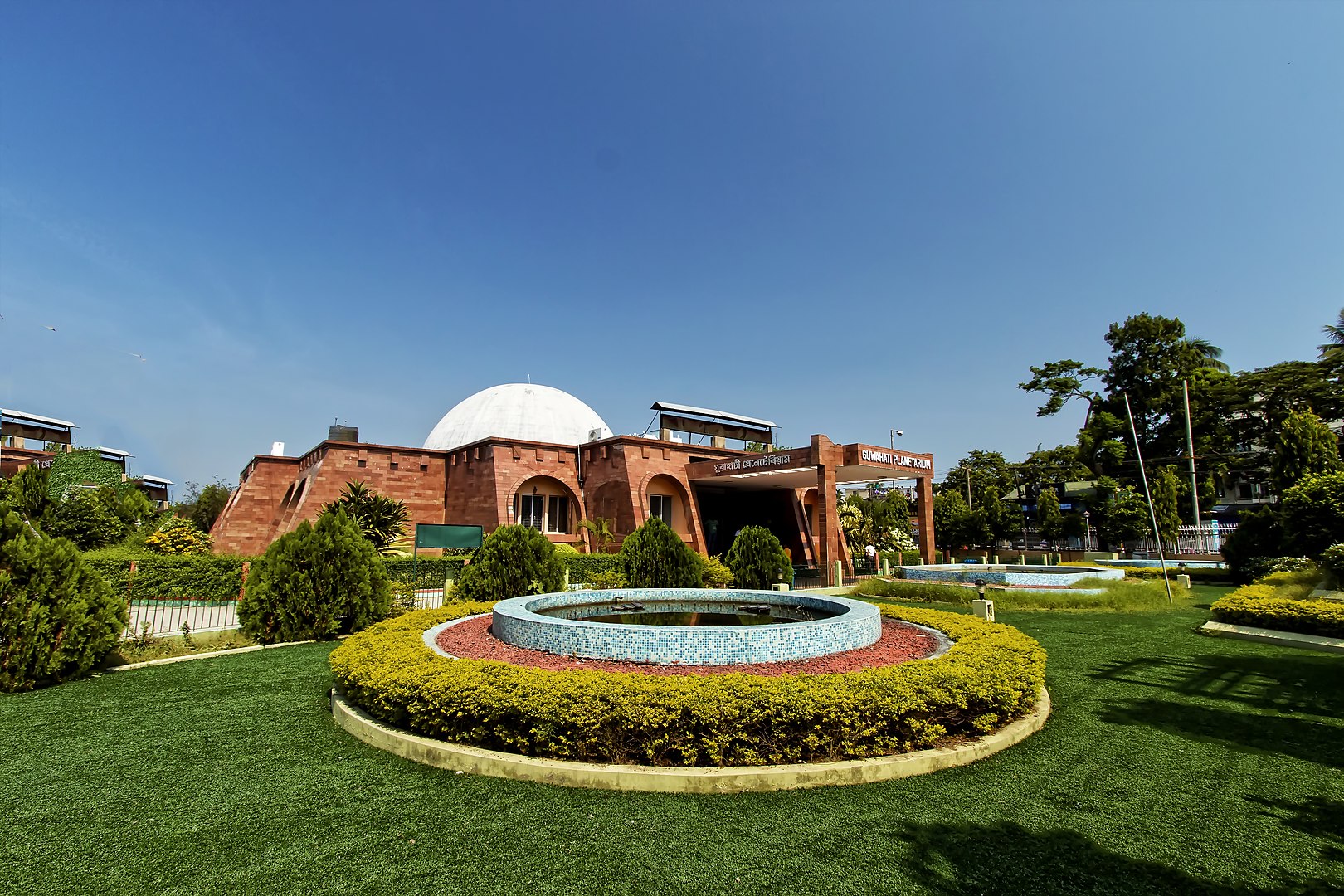
Science City and similar family attractions sit further out. Combine them with other south-side plans rather than zigzagging across the city twice.
Hills, viewpoints, and edge-of-city air
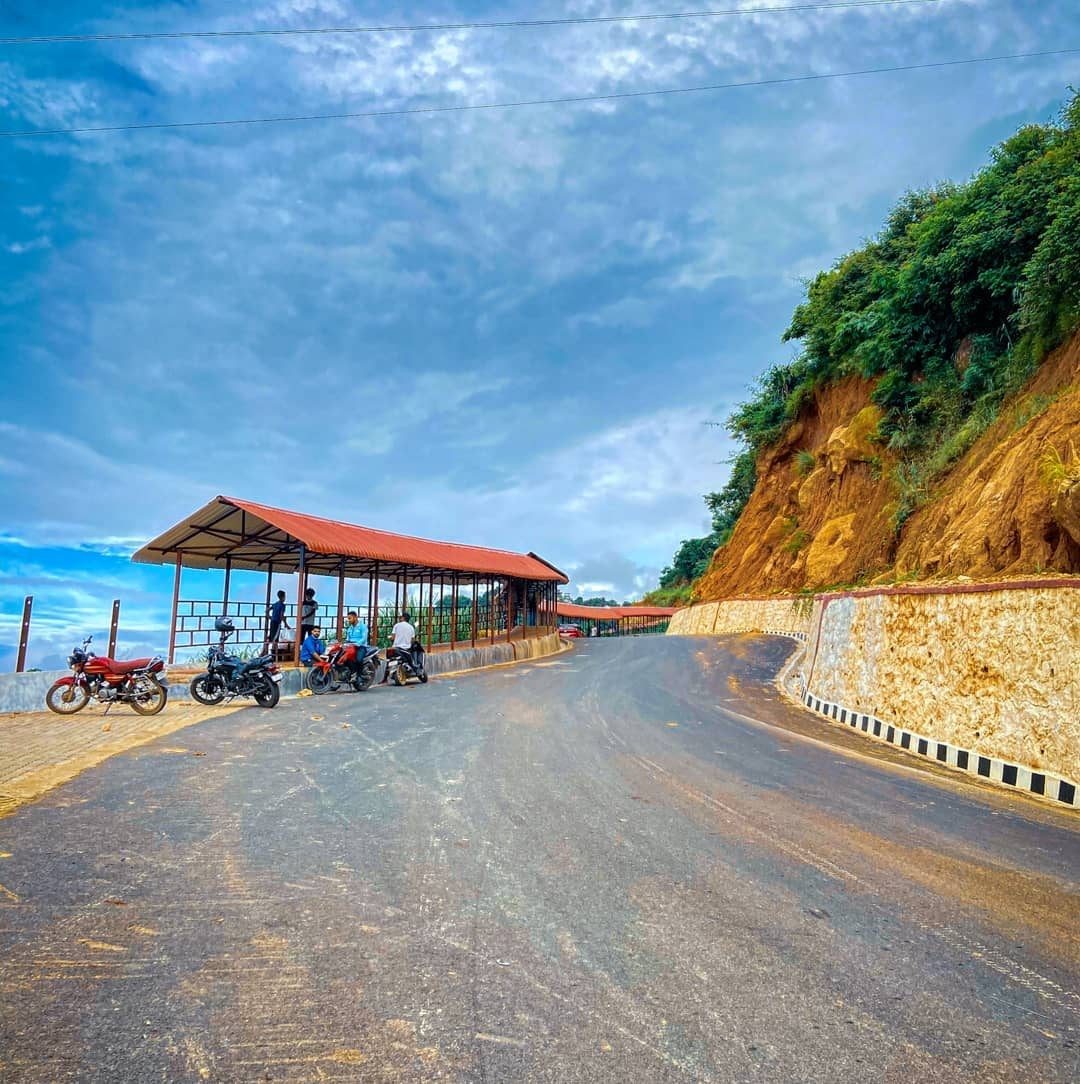
Guwahati has more elevation change than many Indian plains cities. Nilachal itself gives views after Kamakhya. Further out, areas toward the Meghalaya side and higher neighbourhoods open up longer horizons — useful at sunset if the air is clear. Monsoon haze and winter fog both cut visibility, so treat “best view” plans as weather-dependent.
For a half-day outside the dense centre, consider a short trip toward Chandubi or other nearby countryside only if you have a car or a reliable driver and are not rushing a flight. These are not drop-in city attractions.
Food as a primary activity
Assamese thalis, fish curries, duck when in season, and simple rice-based meals are easy to find if you ask for local food rather than only multi-cuisine hotel menus. Street snacks — pitha in season, ghugni, singara, luchi, chaat-style stalls, and local sweets — show up more in markets and neighbourhood evenings than in glossy food halls.
Build at least one meal around something you cannot get the same way in Delhi or Bangalore. That single choice often teaches more about Guwahati than a rushed second temple.
Evenings that actually work
Evenings suit riverfront walks when the weather holds, tea and snacks in central areas, and quieter temple visits only if the site allows and you are comfortable with crowds. Live music and café culture exist but are uneven — check current listings rather than assuming a fixed “nightlife strip.” Traffic after office hours is real; plan dinner close to where you are staying if you are tired.
How to group a realistic day
- Temple + river day: Kamakhya early, ferry to Umananda, lunch in Fancy Bazar / Pan Bazar, evening at the waterfront or Dighali Pukhuri.
- City + food day: Market walk, museum if interested, long lunch, café or tea, evening snacks without a long cross-city drive.
- Family day: Zoo or Science City, early dinner, early night — leave hill temples for cooler morning slots.
What to skip when short on time
Skip packing every temple on a list into one morning. Skip driving across the city for a single café. Skip outdoor river plans during heavy rain without a backup. Skip assuming auto and cab times will match map estimates in peak hours — they often do not.
Practical logistics
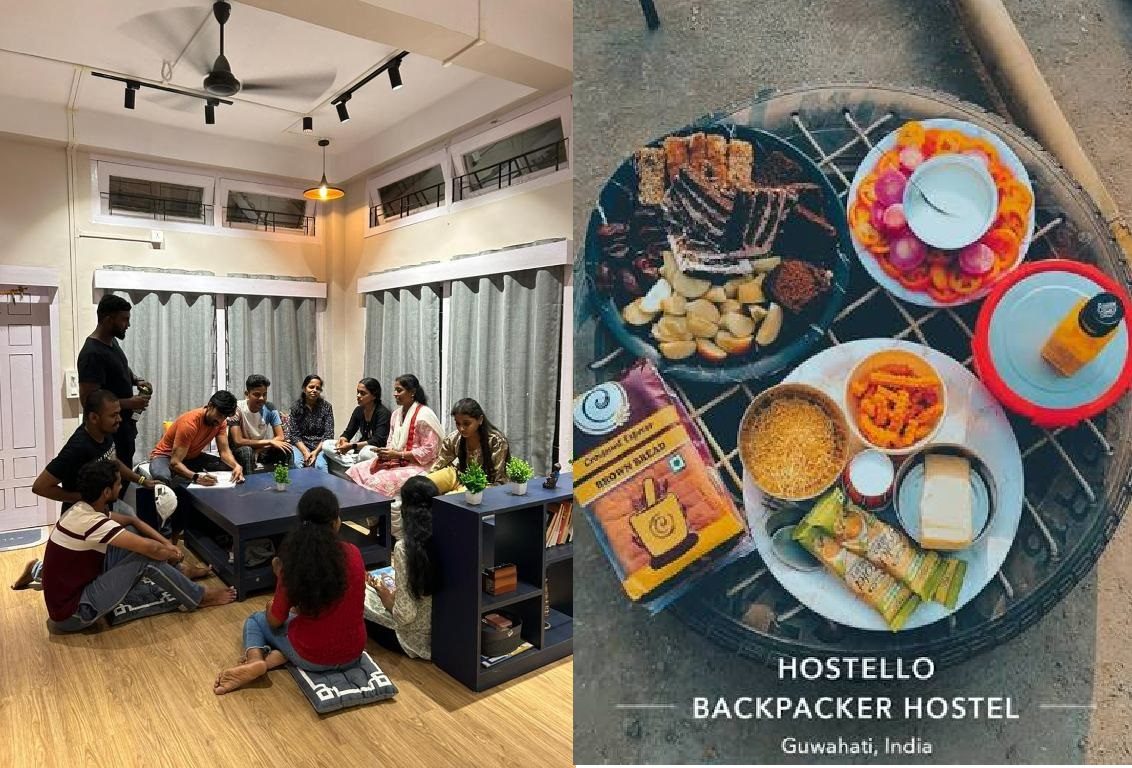
Guwahati Airport (GAU) is on the west/southwest side; railway connections put many people into the Paltan Bazar area. Both are useful bases, but they serve different rhythms. Carry some cash for smaller ferries, tea stalls, and older shops. Dress for heat and sudden rain from roughly June through September. In winter, mornings can be foggy and evenings cool enough for a light layer.
For more detail on specific themes, use the focused guides on this site — food, street food, Kamakhya, river experiences, two-day plans, and where to stay by area. Start here to decide what kind of trip you want; then go deeper where it matters.
Guwahati rewards people who leave gaps in the schedule. The city shows itself between plans — in a shared ferry bench, a thali that arrives without ceremony, and the slow light on the Brahmaputra when the traffic finally thins.