Monsoon in Guwahati is not a light drizzle for atmosphere. Assam takes rain seriously, and the city feels it: darker afternoons, sudden downpours, slower traffic, wet stairs at temples, and a Brahmaputra that looks more powerful than in winter postcards. Plenty of people still visit. The difference between a good monsoon trip and a miserable one is expectations and flexibility.
When the rains define the weeks
Broadly, June to September is when monsoon shapes daily plans. Exact onset and breaks vary by year. Pre-monsoon storms can arrive earlier; rains can linger. Check a short-term forecast before locking outdoor bookings, but also accept that forecasts under-read local cloudbursts.
What the city feels like
Air can be cooler after rain and heavy before it. Humidity stays high. Green intensifies on the hills. Plastic sheets go up over carts. People move in short bursts between cover. The soundtrack is water in drains, on tin, on car roofs.
Waterlogging appears in known low points and sometimes in places that surprise you after an intense hour of rain. Shoes matter. So does your patience when a short cab ride doubles in time.
What still works well
- Food: Indoor thalis, tea, sweets — monsoon is an eating season if you let it be.
- Museums and covered markets: Practical and still local.
- Kamakhya: Often still visitable, but wet stone and travel delays are real. Start early and carry rain protection.
- Photography of mood: Clouds, wet streets, river sediment colour — different beauty, not failed beauty.
What gets harder
- Ferry reliability and comfort on rough or restricted days
- Viewpoint sunsets (cloud cover)
- Long walking loops without shelter strategy
- Countryside side trips on degraded approach roads
- Laundry drying if you are hand-washing in budget stays
Packing that is not theoretical
Quick-dry clothes, a compact umbrella, waterproof phone pouch or reliable pocket discipline, footwear with grip, and a light layer for AC indoors after you get soaked. Plastic bags for damp clothes save hotel rooms from smelling like a drain.
Health and comfort
Mosquitoes appreciate standing water seasons — use protection you are comfortable with. Stomach caution still applies to street food; rain does not sterilise a slow stall. Give yourself permission to nap when the sky opens; monsoon travel includes waiting.
Itinerary style for rainy weeks
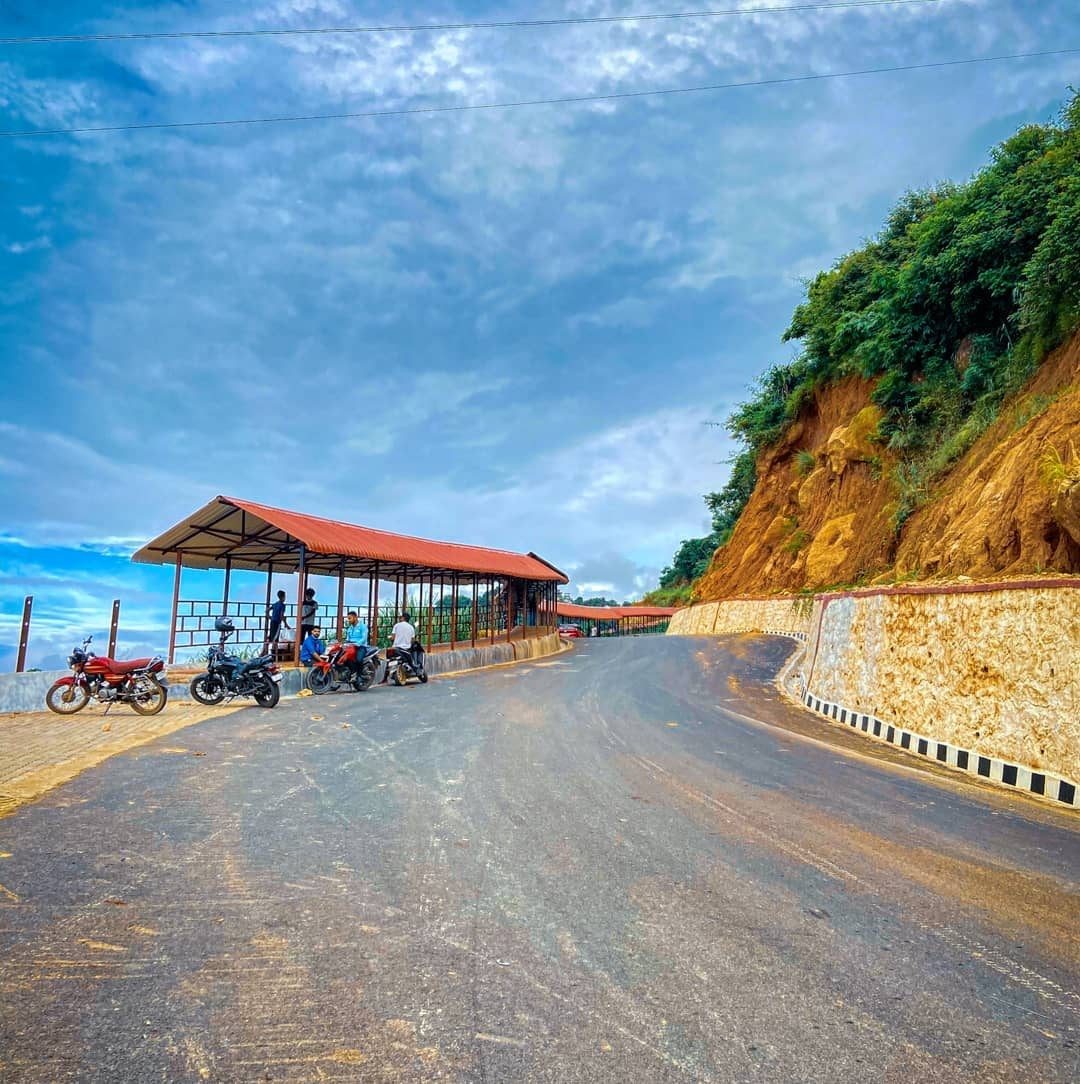
Plan one priority per half-day. Keep a covered backup within the same area of the city so you do not cross town in a storm for a secondary idea. Book refundable or flexible transport where you can. If you are connecting to Shillong or hill roads, check conditions — altitude rain and landslide risk are their own problem set.
The river in monsoon
The Brahmaputra’s monsoon presence is impressive and sometimes inaccessible in the ways tourists prefer. Watch from safe public points. Do not treat high water as an invitation to risky edges or unofficial boats.
Festivals and crowds
Some cultural dates fall in wet months; combine rain logistics with crowd logistics. Ambubachi timing relative to monsoon varies in feel by year — pilgrimage rain is a different intensity than empty-street rain.
Is monsoon a reason to skip Guwahati?
Only if your entire trip idea is sunset viewpoints, ferry hops, and white clothes. If you want temples, food, and city life, monsoon is workable with mature planning. Hotel rates sometimes soften outside peak dry holiday windows — a practical upside.
A monsoon day that still feels complete
Late breakfast, museum or market while rain bands pass, long lunch, short Kamakhya or rest window when a break comes, indoor evening tea and early night. That is a real day, not a failed sunny itinerary.
Monsoon Guwahati asks you to trade control for observation. The city keeps moving. If you move with it — slightly slower, slightly wetter, still curious — the season becomes part of the story instead of the thing that ruined it.
Shoes, clothes, and hotel floors
One pair of grip-friendly shoes you can live in wet is better than two fancy pairs you protect. Hotels vary in how they handle dripping guests — a small towel in your day bag helps. Hang wet clothes where airflow exists; monsoon rooms can stay damp if you pile fabric in corners.
Working with drivers in the rain
Agree waiting charges and pickup points before the sky opens. Visibility drops; patience should rise. If a driver suggests an alternate route around a flooded underpass, listen — local knowledge beats map stubbornness when water is involved.
Emotional weather
Grey days make some travellers restless. Schedule one indoor pleasure each day: a long meal, a museum, a bookshop hour. Monsoon trips improve when rest is planned rather than treated as failure.
Power, charging, and small backups
Storms can interrupt routines. Keep power banks charged. Photograph important documents offline. If you work remotely while travelling, identify a backup café or hotel lobby with reliable power rather than assuming every afternoon will be outdoor content creation weather.
Paper tickets and booking screenshots still help when data dips. Monsoon travel is partly about redundant small systems.
After the rain breaks
The hour after a heavy spell can be excellent: cooler air, washed leaves on the hills, reflective streets. Step out then if you have been indoors. Just watch for deep puddles hiding uneven edges.