Guwahati is not a classic ridge city with one official sunset deck and a ticket booth. Views come from temple hills, riverbanks, and higher neighbourhood edges. Air quality, fog, and monsoon cloud cover decide whether you see a layered horizon or a grey wall. Plan for the place; treat the perfect sky as a bonus.
Nilachal Hill (Kamakhya area)
The most reliable “I see the city” moment for first-time visitors. After or around a Kamakhya visit, open sections of the hill give wide looks over Guwahati and toward the Brahmaputra. Morning light is clean for orientation; late day can warm up the cityscape if haze is low.
Access: Same logistics as Kamakhya. You are on a pilgrimage hill, not a neutral observation tower — dress and behaviour should fit. Crowds peak with temple traffic.
Sunset honesty: Possible, but do not assume you can linger anywhere without regard to temple timings, security, and transport down. Confirm what is open and how you will return after dark.
Brahmaputra riverfront
For sunsets, water helps. Reflective light, boats as foreground, sky doing the work. Choose a ghat or public stretch with a clear western or open skyline angle — exact beauty depends on the stretch and obstacles.
Access: Central and various bank points; easiest without special permits. Evenings are social. Safety: watch steps, children, and personal belongings in crowds.
Best for: Low-effort evening plans, photography with silhouette boats, combining with snacks nearby.
Umananda approach and island edges
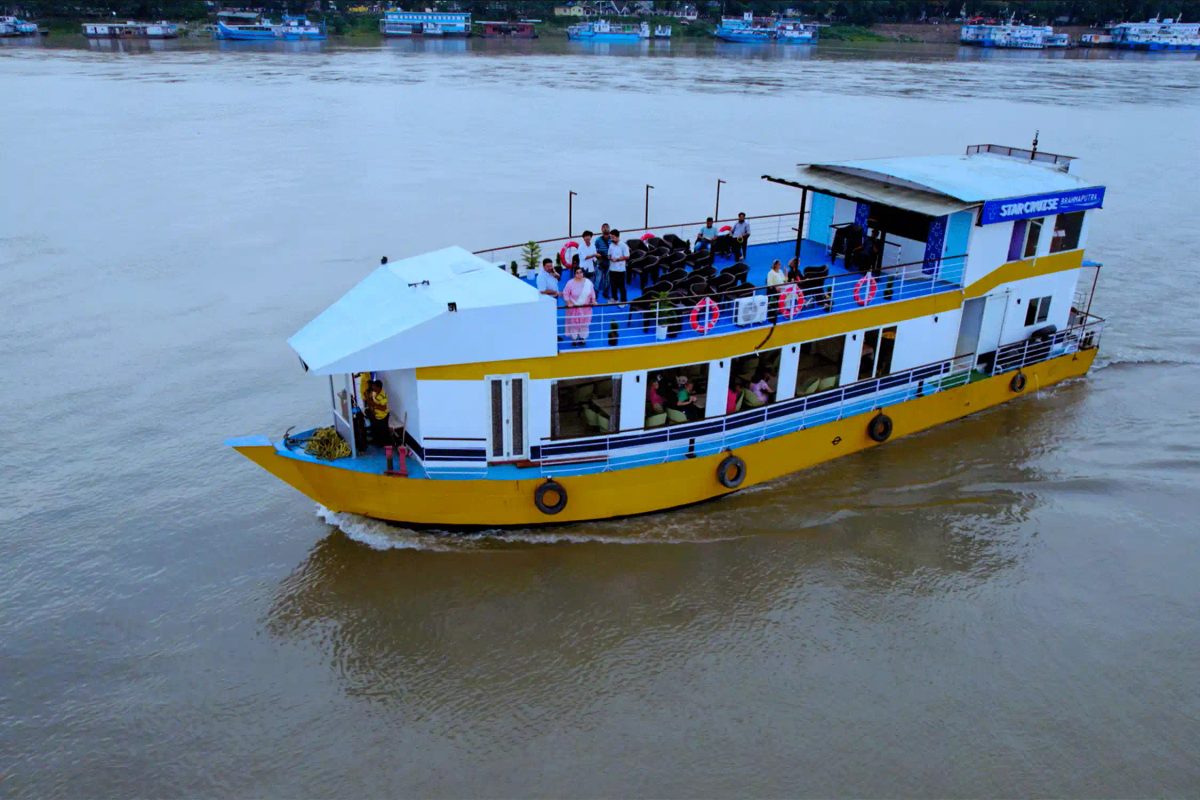
From the ferry and from parts of the island, the city reads as a river-edge band. Midday is harsher; late afternoon return rides can be lovely.
Access: Ferry-dependent. Wind can be stronger mid-river than on land. Not ideal as a pure sunset destination unless schedules and safety align — missing the last boat is a bad story.
Navagraha and other hill temples
Chitrachal Hill and other elevated temple sites offer alternate angles on the city. They are secondary to Nilachal for most visitors but useful if you want a quieter hill stop or are temple-collecting on day two.
Access: Road up, walking within; check local conditions after heavy rain.
Higher neighbourhood and edge-of-city roads
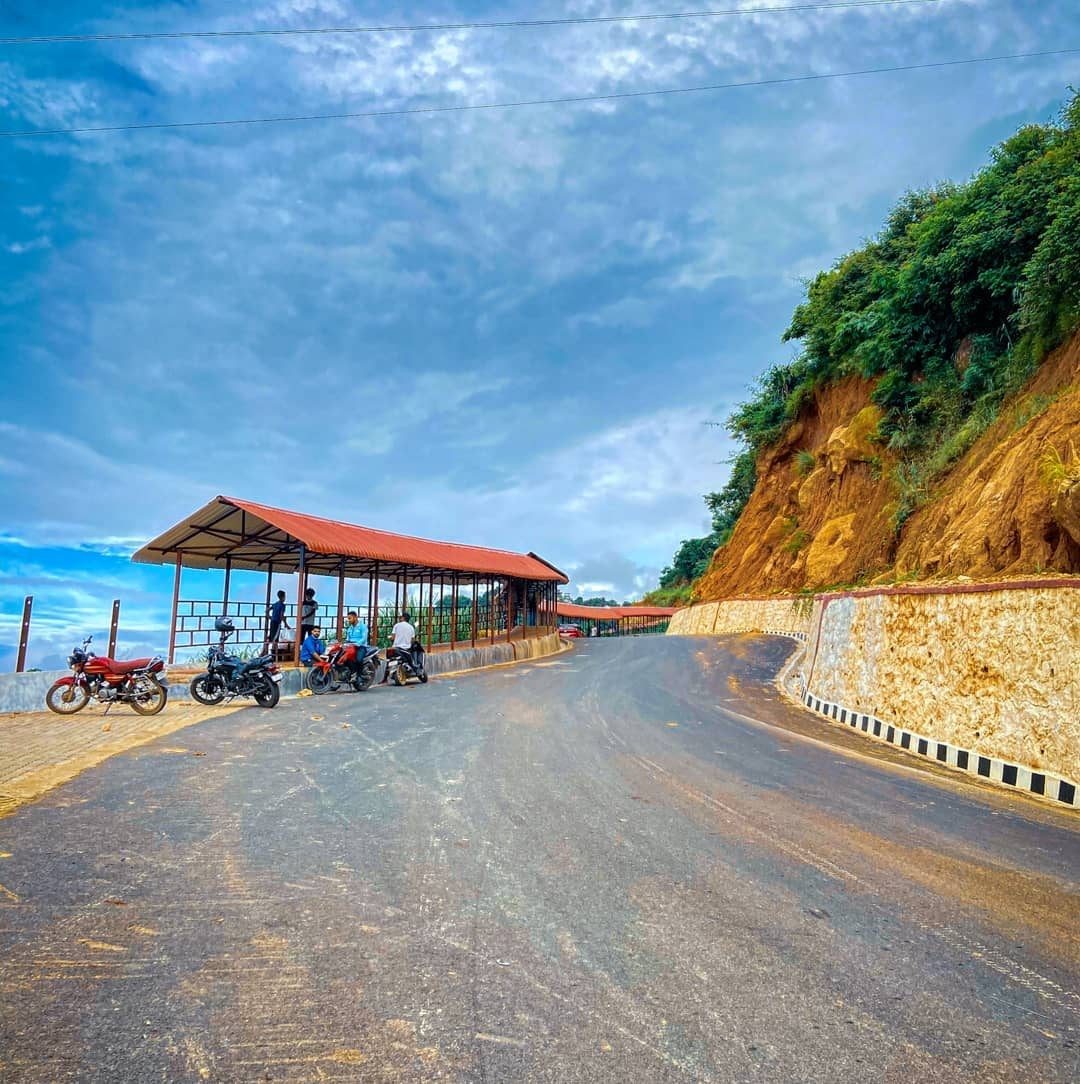
As Guwahati climbs toward certain outskirts, informal viewpoints appear along roads and open plots. These change with construction and access rules. Local drivers sometimes know a current pull-off for evening light. This is the least “guidebook stable” category — verify safety and private land issues.
When views fail
- Winter fog: Mornings especially; wait for late morning or focus on river mood instead of distant hills.
- Pre-monsoon haze / pollution days: Soft, dull horizons; still fine for near-field river shots.
- Heavy monsoon cloud: Sunset colour often dies; green close views and indoor plans win.
Photography practicalities
A phone is enough. If you carry a camera, a light wide lens helps for river and city spreads; a small telephoto isolates boats or hill details. Tripods are awkward in crowded temple zones and unnecessary for most phone sunsets. Arrive 30–40 minutes before sunset if you care about the full colour shift — the best colour is often after the sun actually sets.
Combining viewpoints with a day plan
Morning: Nilachal with Kamakhya. Late afternoon: riverfront. That pairing covers elevation and water without frantic driving. Save experimental edge-of-city lookouts for a second evening if the first sky was washed out.
Safety and etiquette
- Do not block temple queues for a panorama.
- Avoid unstable river edges during high water.
- If a driver suggests a dark, isolated “secret point” at night, apply normal city caution.
- Drones: assume restrictions near temples, airports, and sensitive zones; do not launch casually.
A simple sunset shortlist
- Riverfront on a clear evening (easiest)
- Nilachal if timing and transport work (highest payoff for city scale)
- Ferry light on the Umananda run (short, specific, weather-bound)
Guwahati’s views are generous when the air cooperates and still worth visiting when it does not — because the river and hills shape the city’s feeling even through haze. Chase light, but keep the rest of the day strong enough that a grey sky is only a detail.
Apps, golden hour, and local timing
Sunset apps help with clock time; they do not tell you if Guwahati’s western sky is clear. Look up an hour before and decide. If the sky is a flat slab, switch to river mood shots or abandon the chase for tea. Stubbornness in bad light wastes the evening meal window.
Sharing views with pilgrims and residents
Hill temples are not observation decks that happen to have shrines. Keep voices down near ritual spaces, do not plant tripods in walking lines, and accept that someone else’s darshan matters more than your panorama. On the riverbank, leave room for people who are there every week, not once in a lifetime.
Night views
City lights along the river can be attractive after full dark, especially when the air is clear. Safety and transport home become the main design constraints. Choose busy public edges over isolated ones. Night photography with a phone is fine; wandering dark construction edges is not.
Cloud breaks and second chances
Monsoon and pre-monsoon evenings sometimes open for ten useful minutes after a dull hour. If you are already near the river, staying flexible beats a long drive to a “better” point that is equally cloudy. Keep a tea plan within walking distance so waiting does not feel like wasted holiday.
Winter can reverse the problem: beautiful clear late light after a foggy morning. Build viewpoint hopes into the afternoon half of winter days, not the first hour after sunrise.