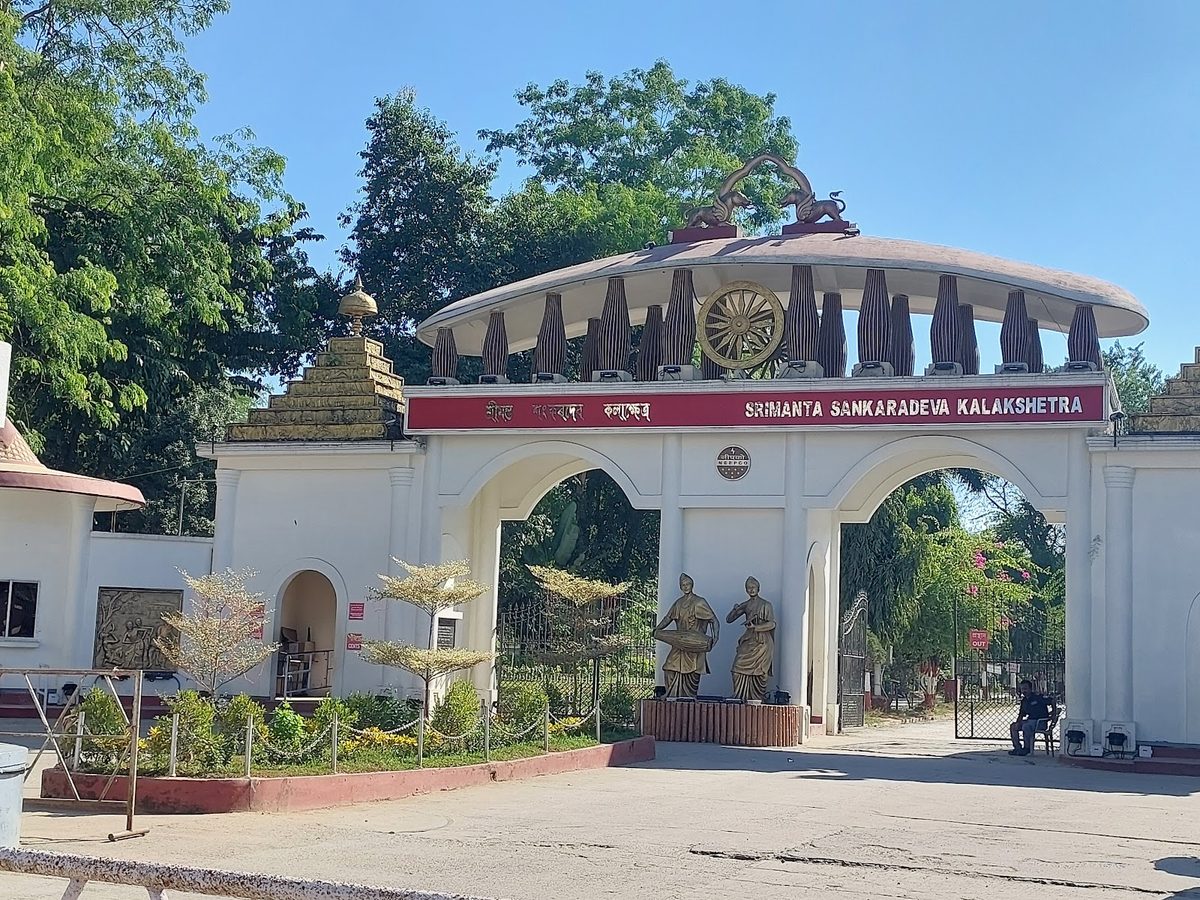
Two days in Guwahati is enough to understand the city’s shape if you do not treat it like a race. One day for the pilgrimage-and-river core. One day for markets, food, and a slower second layer. This plan assumes you arrive the evening before or very early on Day 1. If you land at noon, compress Day 1 and accept that something moves to “next time.”
Before you start
Stay central (Paltan Bazar / Fancy Bazar belt) if you want less daily transit, or near the airport if your flights dominate the schedule. Book a car with driver only for the hill-and-river day if you dislike negotiating multiple autos; for pure central walking, you may not need one all day. Carry water, modest temple clothing, and a light rain layer in monsoon months.
Day 1 — Kamakhya, river, first real meal
Morning: Leave early for Kamakhya Temple. Aim to be on the hill by 7:30–8:30 if possible. Complete darshan without rushing the queue by adding side errands. Afterward, take in the views over the city and river. Do not schedule a tight meeting two hours later on the other side of town.
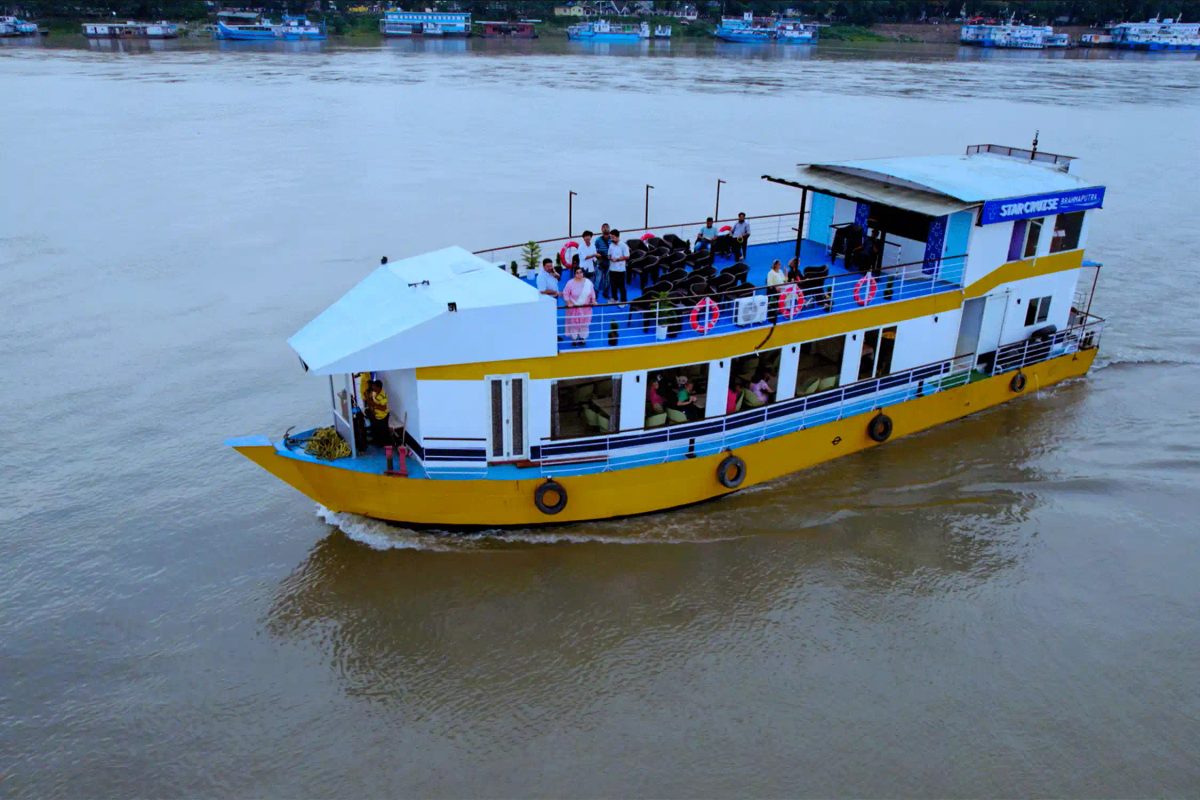
Late morning to afternoon: Descend toward the Brahmaputra. Take a ferry to Umananda Island if services are running. Keep expectations sized to a small island: temple, short walks, river wind. Return to the mainland for lunch in the Fancy Bazar / Pan Bazar area — make this an Assamese thali if you can.
Afternoon: Light market walk or rest. Guwahati afternoons can be harsh in summer; over-scheduling here creates the “we hated the city” feeling that is often just heat and traffic.
Evening: Riverfront time if weather allows, or Dighali Pukhuri and tea. Early dinner. Sleep.
Day 2 — City texture, optional second temple or zoo
Morning option A (culture/city): Assam State Museum, then unhurried time in Pan Bazar bookshops and lanes. Coffee or tea without a checklist.
Morning option B (family/outdoors): Assam State Zoo-cum-Botanical Garden. Start early. Combine only with nearby south-side plans.
Morning option C (temples continued): Basistha or Navagraha if temples are your main interest. Do not repeat Kamakhya unless you specifically want a second visit.
Lunch: Try something you did not eat on Day 1 — different fish preparation, a vegetarian thali, or a place locals recommend near where you already are.
Afternoon: Shopping for tea, gamocha, or small edible gifts in markets — or rest before evening departure. If you are continuing to Shillong the next morning, use this afternoon to pack and avoid late-night chaos.
Evening: Street snacks crawl or a longer dinner. If your train or flight is late night, build buffer for Guwahati traffic to the station or airport.
Sample timing (ideal, not guaranteed)
- Day 1: 7:30 Kamakhya → 11:30 river/ferry → 13:30 lunch → 16:30 rest → 17:30 waterfront → 20:00 dinner
- Day 2: 9:00 museum or zoo or second temple → 13:00 lunch → 15:30 markets → 18:30 snacks → depart or rest
Rain plan
Swap outdoor river time for museum and covered markets. Keep Kamakhya if roads are open, but add travel buffer. Ferries may stop — have lunch and markets as the backup “win” of the day.
What this plan deliberately skips
It skips long countryside day trips (Chandubi and beyond) that need a third day to feel fair. It skips stacking zoo + Kamakhya + Shillong planning into 48 hours. It skips nightlife as a pillar — Guwahati evenings can be pleasant without being a club itinerary.
Food rules for two days
One proper Assamese sit-down meal is non-negotiable if food matters to you. One snack evening teaches the street layer. Hotel multi-cuisine can fill the other slots without guilt.
If you only have 36 hours
Do Day 1 fully. On the shortened Day 2, pick either museum/markets or zoo — not both — and protect your exit journey.
If you have a third day
Add a countryside half-day, deeper food exploration, or a relaxed repeat of the river at a different time of day. Third days are for depth, not for punishing yourself over what you missed.
Two days will not make you an expert on Assam. They can make Guwahati feel specific: hill temple morning, wide river, rice and fish, market noise, tea. That is a complete short trip — not a failed longer one.
Arrival-night protocol
If you land the evening before Day 1, do not invent a heroic night tour. Check in, eat something adequate, note where breakfast comes from, and sleep. Guwahati rewards morning people more than midnight wanderers on a short stay.
If you only arrive on Day 1 morning, protect Kamakhya by going there first with luggage stored at the hotel if needed. Dragging suitcases up a pilgrimage hill is a mistake you only make once.
Money, SIMs, and small friction
UPI works widely; cash still rescues ferries and older counters. Airport SIM or eSIM setup before you leave the airport saves a mid-temple connectivity panic. Download offline maps for the central cluster and the Kamakhya approach.
If you are continuing to Kaziranga or Shillong
Treat Guwahati as a gateway with its own two-day arc, not as a leftover. Do river and temple here. Do not half-do Shillong as a exhausted evening drive after a full Guwahati checklist. Sequence matters more than total pins visited.
Pack so Day 2 evening can become laundry, charging, and a bag rebuild without stress. Short trips fall apart in the last four hours when people improvise exits.
Solo vs couple vs group adjustments
Solo: central stay, earlier nights, busy ferry queues as a safety comfort. Couple: river evenings do more than an extra temple. Group: pre-agree the Day 1 non-negotiable (usually Kamakhya) so the afternoon does not dissolve into five competing plans.