Guwahati is the usual air and rail gateway for Assam and a large share of Northeast itineraries. Reaching the city is rarely the hard part. Losing time between terminal and hotel because of traffic, wrong area choice, or a too-tight connection — that is the hard part. This guide covers flight, train, and road arrivals, then the first hour on the ground.
Once you have landed, use Where to Stay by area so your bed matches your transport. For what to do after you drop bags, see Things to Do or a ready-made two-day plan.
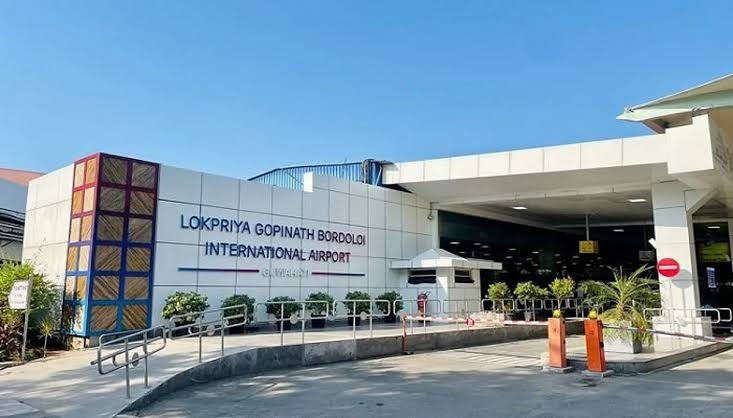
By air — Lokpriya Gopinath Bordoloi International Airport (GAU)
Most long-distance visitors arrive by air. Domestic connections from major Indian metros are frequent; schedules change with season and airline strategy, so check current flights rather than memorising old “daily from everywhere” claims. International connectivity exists in limited patterns and also shifts — verify rather than assume a one-seat ride from overseas.
The airport sits on the west / southwest side of the urban sprawl. That is convenient if you overnight near the airport for a dawn departure. It is less convenient if your only plan is Fancy Bazar walking and you land in peak traffic without buffer.
Airport to city — what actually works
- App cabs / airport taxis: Simplest with luggage. Confirm the drop area (Paltan Bazar, hotel name, GS Road corridor, etc.).
- Hotel pickup: Worth it for late nights or first-time travellers with kids.
- Pre-paid counters: Use when app surge or confusion is high; keep the receipt.
Travel time to central hotel belts can look short on a map and double in rain or office rush. If you hope to visit Kamakhya the same morning you land, only do it with a wide buffer and realistic energy — see the Kamakhya practical guide.
By train
Guwahati is a major rail node for the Northeast. Long-distance trains link the city with large parts of India; booking windows and waitlists are real on holiday peaks. Station-area energy is pure transit: porters, food stalls, people who know where they are going. If you arrive late, go to your hotel first rather than inventing a night tour.
Many train travellers sleep near Paltan Bazar for the short hop and dense hotel supply. That area is noisy and practical — details in the stay-by-area guide. From there, Fancy Bazaar and central tanks like Dighalipukhuri are easier than from an airport-edge resort.
Station to hotel
Autos and cabs handle short city hops. Keep small cash for the first ride if your UPI misbehaves after a long journey. Watch your bags in any crowded platform-to-gate shuffle — ordinary urban caution, not panic.
By road
Road arrivals usually mean:
- Private car from elsewhere in Assam or Meghalaya
- Buses from regional cities
- The classic Guwahati–Shillong shared taxi / private car corridor
If Shillong is in play, read Day Trip or Overnight? before you treat the hill road as a tiny errand. From Kaziranga-side returns, expect fatigue and night traffic into the city — eat and sleep, visit temples tomorrow.
Highway entry dumps you into Guwahati’s elongated shape. Know whether your hotel is central, airport-west, or east toward the Sonapur belt so the driver is not inventing a tour of the ring roads.
Arriving for specific trip types
Pilgrimage-first: Land, rest if needed, early next morning Kamakhya. North-bank days for Hajo and Sualkuchi need a separate morning and a car.
Wildlife-first: Same-day Pobitora only works with early arrival and pre-booked safari logic; otherwise sleep and go at dawn. Full Kaziranga needs park-side nights, not a Guwahati day trip fantasy.
Culture-and-food: Central stay, then markets and the food guide; river time via river experiences or Umananda ferry.
First-hour checklist
- Offline maps downloaded before you lose signal in a crowded exit
- Hotel address in local language / clear landmark
- Water and a light snack if you land between meal times
- Rain layer in monsoon months
- Plan A for the day only if energy remains; sleep is a valid plan A
Leaving Guwahati
Build airport buffer for security and west-side traffic. Train departures need platform time in busy seasons. If you are exiting toward Shillong, shared taxis often favour early seats — late sleepers miss the easy departures.
Reaching Guwahati is a solved problem with three mature modes. The skill is matching arrival time to area, and area to the trip you actually booked. Do that, and the city starts when you want it to — not two hours late in a stuck flyover queue.
Connections beyond Guwahati
Many travellers treat GAU as a hop toward Shillong, Kaziranga, or further Northeast states. Sequence matters: do not schedule a same-evening hill shared taxi after a delayed flight without a plan B hotel night in Guwahati. Wildlife lodges near Kaziranga want you arriving with daylight when possible. North-bank culture days to Hajo and Sualkuchi are easier after a full night’s sleep than after a 5 a.m. landing with no buffer.
Luggage, SIM, and money on arrival
Pick up a working data plan if you need maps offline as backup. Keep a payment app plus some cash for the first auto or ferry. Photograph your baggage tag until the bag appears. If you are continuing by road at dawn, repack a small day bag at the hotel so you are not unloading the entire suitcase in a shared taxi queue.
Accessibility notes
Airport carts and assistance exist but benefit from airline requests in advance. Train stations are busy and uneven. Temple hills and ferry steps are separate challenges once you leave the terminal — plan mobility support for Kamakhya independently from airport logistics. Families can skim Guwahati with Kids for pacing after a long journey.