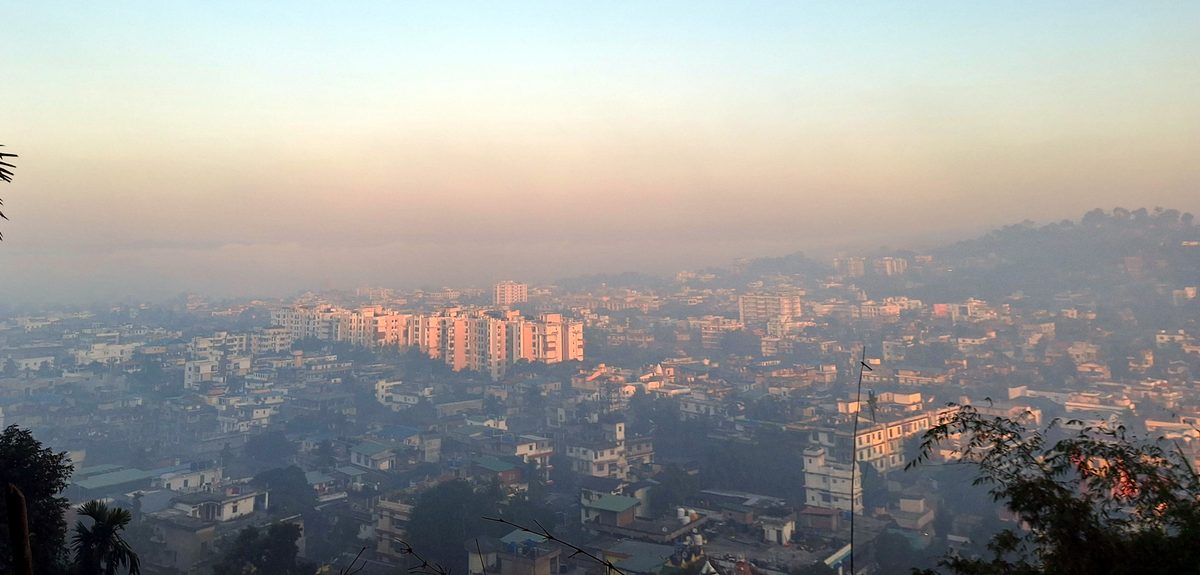
People ask for the “best” season in Guwahati as if the city awards one trophy. It does not. Winter wins for comfort and photos. Summer wins for travellers who only get April leave and can live with early alarms. Monsoon wins for green intensity and flexible people who like rain on tin roofs. This comparison lays out the trade-offs so you stop fighting the calendar.
Related reading: Monsoon in Guwahati for rain weeks, 2 Days in Guwahati for itinerary shape, and Brahmaputra river experiences for water-side plans that change with the season.
Winter (roughly November–February)
Feel: Cooler mornings, pleasant days, evenings that invite river walks. Fog can erase the far bank at dawn and then lift. This is the season most first-timers should pick if they have a choice.
What thrives: Kamakhya without heat stroke risk, ferry hops to Umananda, market hours in Fancy Bazaar, day trips to Hajo, Sualkuchi, and safari logic at Pobitora when open. Viewpoints in the sunset guide have a fighting chance.
Trade-offs: Higher demand and hotel rates around holidays. Popular restaurants busier. You will not have the city “to yourself.”
Pack: Light layers, a warmer morning piece, comfortable walking shoes. Skip packing only tropical tank tops and regret.
Summer (roughly March–May, with heat lingering)
Feel: Hot, often humid, glare on the river at noon, AC as a love language. Storms may build late in the season.
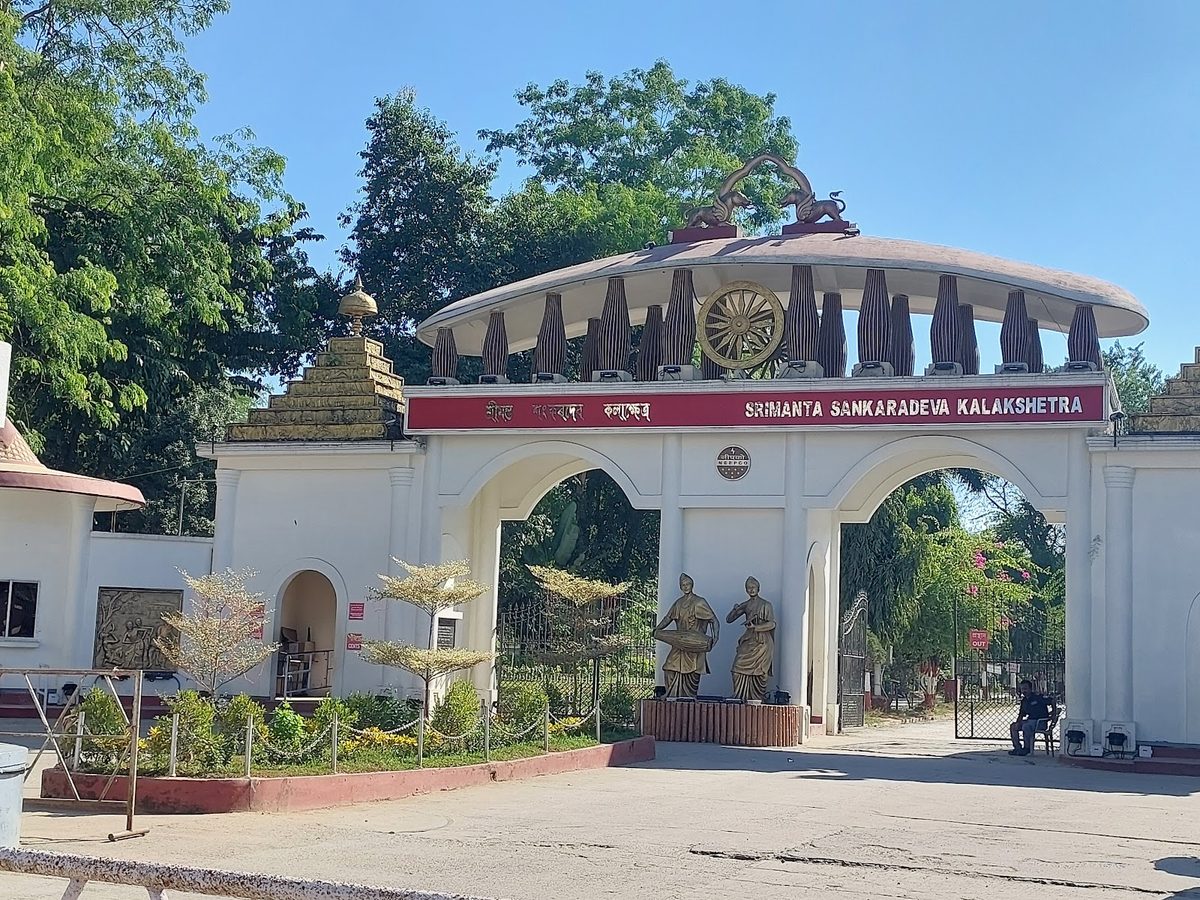
What thrives: Dawn temple runs, long indoor lunches, museums like Assam State Museum, cultural halls at Kalakshetra, and food-focused trips using the food guide. Early zoo time at the State Zoo before the asphalt cooks.
What struggles: Midday walking tours, packed outdoor photography, anything that needs you cheerful at 2 p.m. on an open ghat.
Trade-offs: Lower crowds on some non-festival weekdays; festival spikes (including pilgrimage peaks) can still jam Kamakhya. Heat is a safety issue for elders and small kids — pace with family advice.
Pack: Sun protection, electrolytes, breathable fabrics, patience.
Monsoon (roughly June–September)
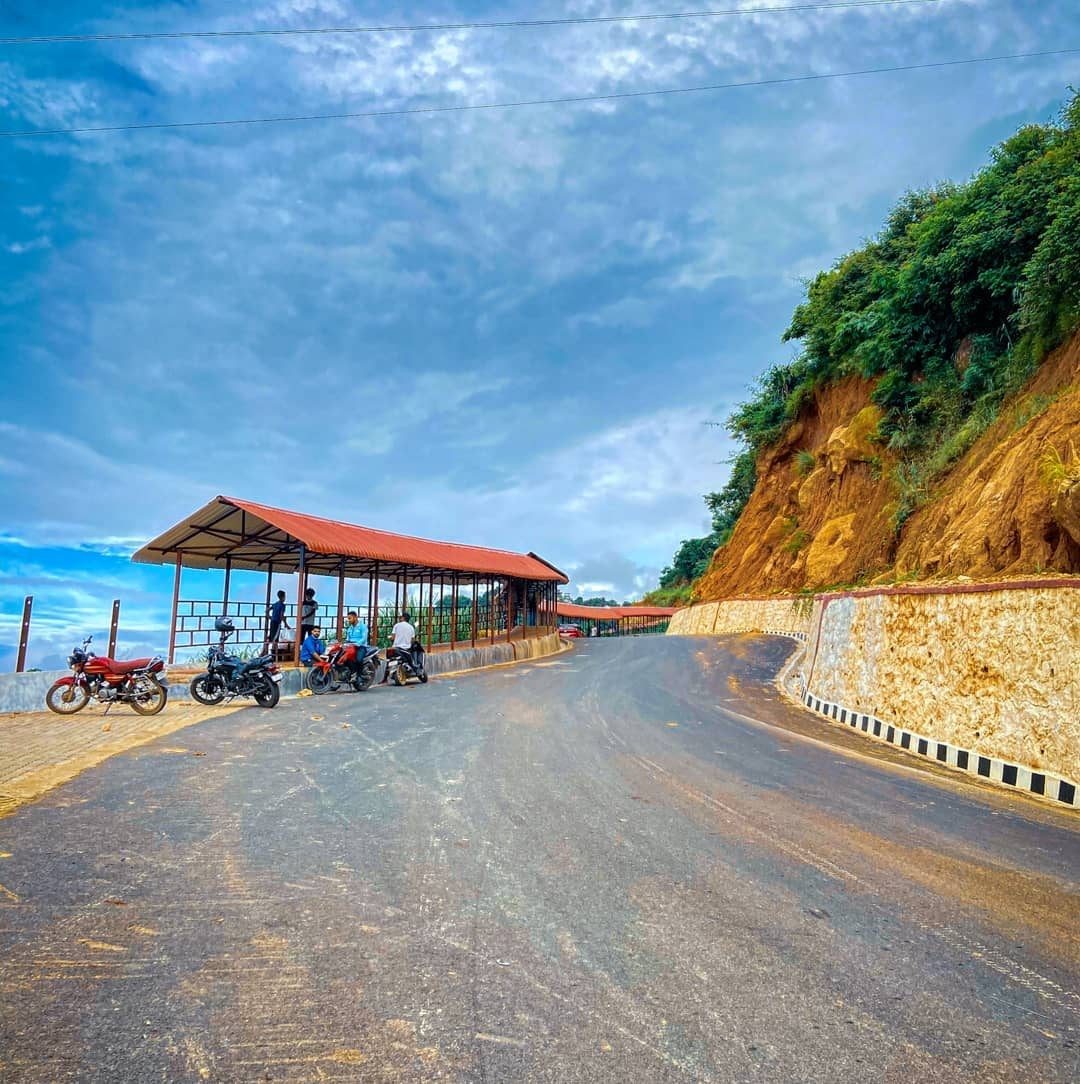
Feel: Rain in bands, heavy cloud, intense green on hills and outskirts, traffic that melts schedules, river that looks muscular and sometimes closed to fun.
What thrives: Slow food, tea, covered markets, museum hours, the mood photography of wet streets, and travellers who read what monsoon is really like before they arrive. Some countryside lakes and hills look cinematic between storms — Chandubi included — if roads agree.
What struggles: Fixed ferry plans, golden-hour guarantees, safari assumptions, white sneakers, and tight airport connections.
Trade-offs: Possible rate softness; fewer fair-weather tourists; higher chance your “perfect itinerary” becomes a series of smart improvisations.
Pack: Quick-dry clothes, real rain protection, grip shoes, dry bags for phones.
Head-to-head on common goals
- Best overall first visit: Winter
- Best river sunsets odds: Winter > late summer clear spells > monsoon
- Best wildlife day trip odds: Winter / early spring (confirm park status)
- Best food-only city break: Any season; summer/monsoon force more indoor dining, which is fine
- Best “green hills at city edge” look: Monsoon and post-rain windows
- Best for elders who hate heat: Winter only, if optional
- Best for strict budgets with flexible plans: Shoulder and monsoon, with eyes open
Sample day shapes by season
Winter day: Early Kamakhya → ferry Umananda → thali → market → river evening. Matches the one-day plan.
Summer day: Dawn temple or skip hill for museum → long lunch → rest in AC → late market or short tank walk at Dighalipukhuri → early night.
Monsoon day: Check sky → museum / Kalakshetra → food → optional short temple if roads fine → tea while rain passes → no heroics.
Day trips and season
North-bank culture days (Hajo, Sualkuchi) are most pleasant in winter. Pobitora depends on park season and track conditions. Mayong is a folklore add-on when roads are dry enough that the day stays fun. Chandubi is a dry-season picnic personality for many visitors; monsoon is greener and muddier. Shillong logic sits in this comparison piece.
Which should you book?
If you can choose freely: winter. If your leave is fixed in May: come anyway, start early, hydrate, and do not measure the trip by midday misery. If you romanticise rain and hate crowds: monsoon, with indoor backups and zero shame about cancelled ferries.
Guwahati does not become a different civilisation between seasons. The same river, temples, and markets remain. What changes is how hard the city makes you work for them. Choose the difficulty level on purpose.
Photography and “the shot”
Winter gives you the highest hit rate for clean river light and hill views near Kamakhya or Navagraha. Summer forces early or late sessions. Monsoon rewards mood and detail — wet leaves, empty ghats between cells of rain — and punishes anyone who only values a hard horizon sunset. Read viewpoints with seasonal humility.
Budgets and crowds
Winter demand pushes popular stays in Paltan Bazar and central belts. Summer can open quieter midweek rates if heat is your acceptable cost. Monsoon is not automatically cheap during festival spikes, but fair-weather tourism thins. Food quality does not collapse with rain; if anything, thalis and tea become the point — lean on the food guide and street food pieces.
Decision checklist
- Can you walk twenty minutes at 2 p.m.? If no, avoid peak summer outdoor itineraries.
- Will a cancelled ferry ruin your mood for two days? If yes, avoid monsoon river dependence.
- Do you need safari probability? Bias winter/open season and confirm Pobitora or park-side Kaziranga rules.
- Is this a pilgrimage with fixed ritual dates? Season becomes secondary — prepare for whatever weather accompanies the date.