Deepor Beel
Ramsar wetland on Guwahati’s southwest fringe — winter birds, wide water, and an honest urban-edge nature stop.
About
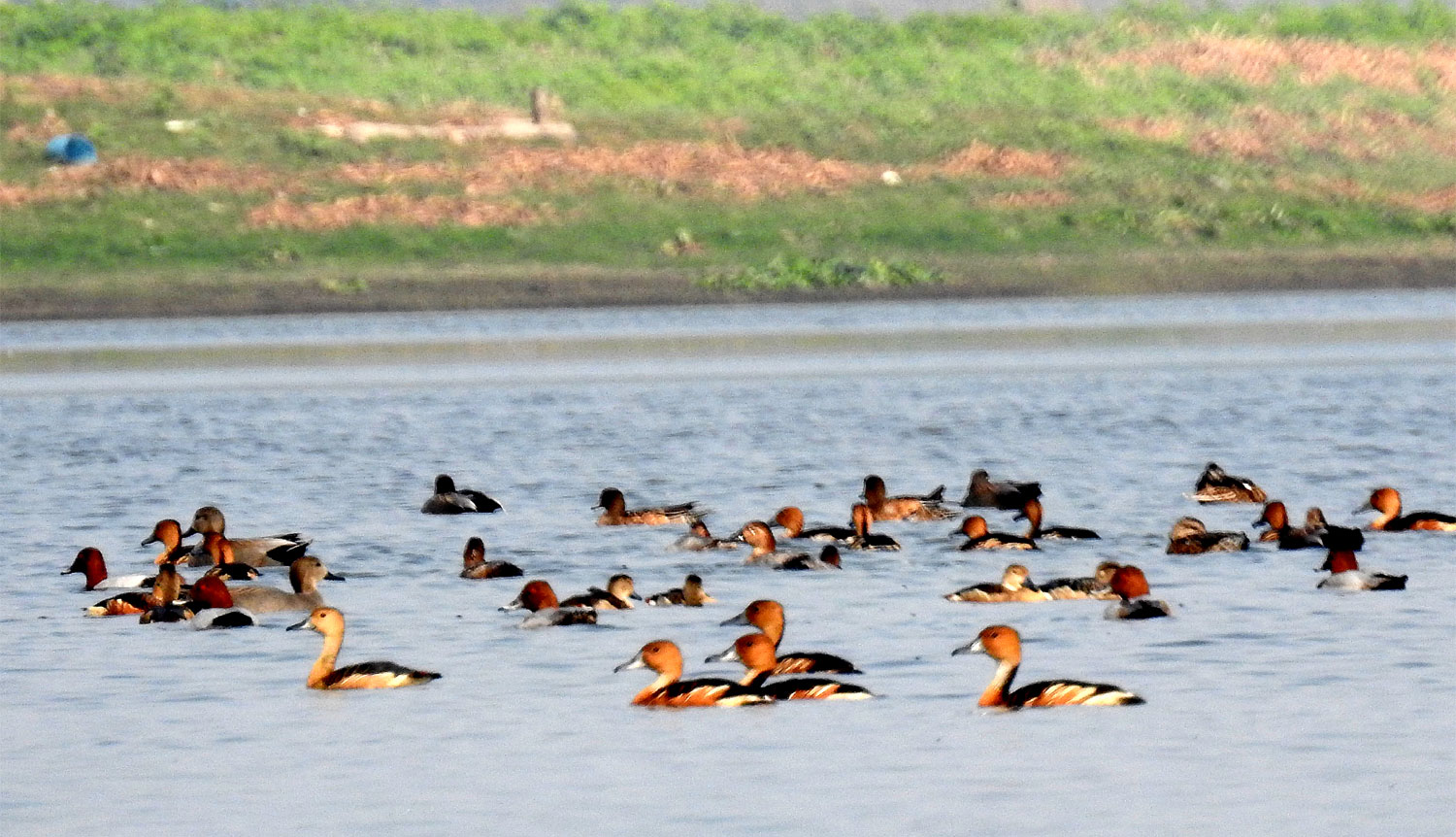
Deepor Beel is the large wetland on Guwahati’s southwest side that birders talk about when the city feels too paved. Designated a Ramsar site, it matters for migratory waterbirds in winter and for the unglamorous work of flood buffering and urban ecology year-round. You come for sky, water, and silhouettes of birds — not for a ticketed safari track like Pobitora.
Parts of the beel’s story include pollution, railway edge pressures, and contested land use. A honest visit holds both: the beauty when winter light hits the water, and the fact that this is a wetland under city stress.
What to expect
Open water, reed edges, village and peri-urban approaches, and variable access points. Winter can bring storks, ducks, and other migrants depending on the season’s luck. Guides and boatmen may offer services informally — agree prices clearly. Facilities are basic compared with city museums.
How to reach
Road toward the southwest outskirts from central Guwahati; private vehicle is easiest. Exact viewing spots shift with water levels and local advice. Allow time for the city exit. Pairing with airport-side logistics can work geographically; pairing with Kamakhya the same morning usually does not.
Best time
November to February for classic birding interest. Dawn beats noon. Summer heat over open water is harsh. Heavy rain makes edges messy and birds harder to enjoy without gear.
Tips
- Neutral clothing helps if you care about not spooking birds.
- A long lens or binoculars transform the experience.
- Skip drones near wildlife and villages unless you know the rules.
- If you only have one nature half-day and want guaranteed rhinos, choose Pobitora; choose Deepor for wetland and birds.
Deepor Beel is Guwahati’s reminder that the city still sits inside a living water system. Go quiet, go early, and let the birds set the pace.
Related
.jpg)